The 7 Most Common Bulldog Health Issues in 2026 — What Every Owner Should Know
Bulldogs are adorable, loyal, and unforgettable — but they also come with a unique set of health concerns. Many owners know the names of the issues (like “breathing problems” or “skin allergies”), but what actually helps? That’s what this guide is about: practical, realistic, Bulldog‑specific tips you can use right away.
If you’ve ever felt overwhelmed by vet jargon or unsure which daily choices truly make a difference, you’re in the right place.
1. Breathing Issues & Snoring — Fixes That Go Beyond the Basics
Bulldog airways are built differently, which is why snoring, gagging, and noisy breathing are so common. While some noise is normal, there are targeted ways to reduce strain on the airway.
- Keep airway passages moist: Dry indoor air makes snoring louder. Place a cool‑mist humidifier near where your Bulldog sleeps.
- Sleep with the head slightly elevated: A supportive pillow or raised bed can reduce airway vibration and improve airflow.
- Watch for exercise intolerance: If your Bulldog struggles after just a few minutes of gentle walking, shorten the walk and cool them down immediately.
Just as important: avoid collars or gear that put pressure on the neck. Bulldogs already have compromised airways, and pressure near the throat can worsen breathing issues.
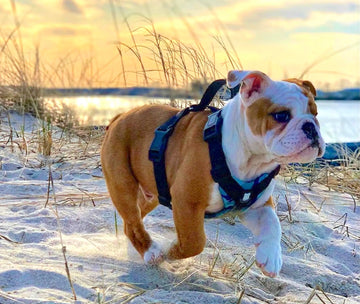
Use a Bulldog‑safe harness that distributes pressure across the chest instead of the neck. Proper gear plays a real role in protecting your Bulldog’s breathing during daily walks.
🐾 Explore Bulldog‑Approved Harnesses & Leashes →
🐾 Read: Why Your Bulldog Snores More in Winter
2. Skin Fold Infections — Stop Irritation Before It Starts

Wrinkles are classic Bulldog charm — until they trap moisture, food, or dirt and turn into infections.
- Clean after meals: Use a gentle, pet‑safe wipe (chlorhexidine or aloe‑based) to remove debris and reduce yeast buildup.
- Dry thoroughly: Moisture trapped in folds weakens skin defenses. Always dry each fold fully after cleaning.
- Protect with a balm: Apply a thin layer of barrier balm daily to reduce friction and irritation.
Early warning sign: A sour or “corn chip” smell, redness, or oozing means infection is starting — clean and treat immediately.
🐾 Read: Why Are My Bulldog's Wrinkles Red and Stinky?
3. Allergies — Diagnosing & Soothing the Itch
Bulldog allergies usually fall into two categories:
- Environmental: Pollen, grass, dust, mold
- Food‑related: Common triggers include chicken, beef, dairy, and wheat
Signs to watch for: Paw licking, ear shaking, hair loss from scratching, recurring hot spots.
- Controlled diet trials: Try a limited‑ingredient or novel protein diet for 4–6 weeks under vet guidance.
- Weekly ear cleaning: Reduces itch cycles and secondary infections.
- Gentle baths: Oatmeal or sensitive‑skin shampoos help soothe inflammation.
Consistency matters — allergy relief takes time, but tracking symptoms helps identify triggers faster.
🐾 Read: The 6 Most Common Bulldog Allergies & Remedies
4. Joint Pain & Hip Dysplasia — Comfort You Can Build Daily
Bulldogs are prone to joint issues due to their build. The goal is to keep them moving comfortably — not push endurance.
- Low‑impact walks: Short, frequent walks are better than long outings.
- Mix in indoor enrichment: Mental stimulation reduces physical strain.
- Joint supplements: Ask your vet about glucosamine, chondroitin, or omega‑3s.
Gear matters here too. A well‑fitted harness helps distribute force evenly, reducing stress on joints and preventing awkward pulling that can aggravate pain.
5. Obesity — A Big Problem with Small Steps
Extra weight worsens breathing, joint pain, skin infections, and heat sensitivity — all common Bulldog issues. But consistent, manageable changes in diet and exercise can make a big impact on your Bulldog's health and comfort.
- Portion control: Most Bulldogs need slightly less food than feeding guides suggest due to their lower energy output.
- Track treats: Keep treats under 5% of daily calories. Try frozen green beans or carrots as low-calorie alternatives.
- Weigh monthly: Bulldogs gain quickly. Regular check-ins help prevent unnoticed weight creep.
💪 Consistent Exercise Regimen
Daily movement helps keep your Bulldog’s weight in check while also improving joint health and mental stimulation. Even short walks (10–15 minutes) a couple of times a day can make a difference — as long as they’re done safely.
Bulldog Tip: Many Bulldogs resist walks not because they’re lazy, but because their gear is uncomfortable. Standard harnesses can choke, rub, or restrict movement — discouraging activity.
A well-fitted, breed-safe harness gives your Bulldog freedom to move without pressure on their airway or joints. Combined with a strong, comfortable leash, it turns a struggle into a daily routine both of you can enjoy.
🐾 Explore Bulldog-Approved Harnesses & Leashes →
🐾 Read: The Best Bulldog Diet for Optimal Health
6. Eye Conditions — What to Do Before It Gets Worse

Bulldogs are prone to several eye issues due to their shallow sockets and exposed eye structure. Catching these problems early can prevent long-term discomfort and costly procedures.
- Cherry Eye: This looks like a small red lump or bubble in the corner of the eye (usually the inside corner). It’s a prolapsed tear gland — and while it’s not an emergency, it does require veterinary treatment.
- Dry Eye (KCS): Caused by reduced tear production. Signs include thick, goopy discharge or red, irritated eyes.
- Debris Irritation: Dirt, dust, or pollen can easily irritate Bulldog eyes.
👁️ What to Do If You See Cherry Eye
Do not try to push it back in yourself. This can cause more harm or introduce infection.
Step 1: Keep the eye clean with a sterile saline rinse or vet-approved eye wash.
Step 2: Ask your vet if they offer a laser procedure — often faster, less invasive, and more affordable than traditional surgery.
Bulldog Tip: Traditional cherry eye surgery can cost over $1,000. Laser options — if available — may cost less than half as much and reduce recurrence.
Routine Eye Care
- Wipe around the eyes gently after walks
- Watch for redness, squinting, or unusual discharge
- If your Bulldog frequently rubs their eyes or keeps one closed, contact your vet
7. Heat Sensitivity — Be Proactive, Not Reactive
Bulldogs don’t regulate heat well, and heatstroke can escalate quickly.
- Walk during cool hours: Early morning or after sunset only.
- Hydrate before & after walks: Offer cool water before and after activity.
- Cooling aids: Use damp towels or cooling mats to lower body temp.
🔥 The Pavement Problem
Bulldogs are low to the ground — which means they absorb more heat from hot pavement through both paws and body. What feels “warm” to you can be scorching to them.
Bulldog Tip: Press your hand to the pavement for 5 seconds. If it’s too hot for you, it’s too hot for your Bulldog.
👂 What to Listen For
- Raspy or wheezy breathing
- Irregular breathing patterns or shortness of breath
- Excessive drooling, thick foam, or sudden fatigue
If you notice any of these, stop immediately, get into shade, use cool (not cold) compresses, and contact your vet.
Supportive Gear Helps
Comfortable, choke-free harnesses help control the pace of warm weather walks without adding stress to the airway — a key part of heat safety for Bulldogs.
🐾 Explore Bulldog Harnesses & Leashes →
💡 When to Call the Vet
- Sudden breathing changes or collapse
- Red, irritated, or oozing skin folds
- Rapid weight changes
- Recurring eye or ear issues
- Visible discomfort or limping
When in doubt, call your vet. Bulldogs are stoic, and problems often escalate quietly.
We hope you found real, practical help for your Bulldog today! Want to keep learning and care for your pup with confidence? Explore more articles on The Bulldog Blog, proudly presented by Bulldog Grade — your go‑to source for breed‑specific care tips and dog‑approved gear.