5 Signs Your Bulldog’s Harness Fits Properly
Bulldogs are built differently — wide chest, thick neck, strong shoulders, and a talent for “walk protest” when something feels off. That’s why harness fit matters more for Bulldogs than almost any other breed.
The good news: you don’t need to be a trainer (or a gear expert) to tell if your Bulldog’s harness fits right. Below are 5 real-world signs Bulldog owners can recognize immediately — the kind you notice on the very first walk.
And if you want the full checklist (plus sizing tips, common mistakes, and a visual comparison), here’s the complete guide: The Ultimate Bulldog Harness Guide .
1) The Pressure Sits on the Chest — Not the Throat

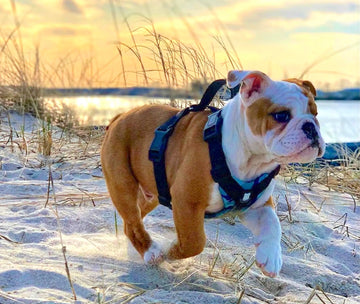
When your Bulldog leans into the leash, the pressure should distribute across the chest — not tighten around the neck.
If you’ve ever heard the sudden cough, snort, or that ear-splitting Bulldog hack, you know exactly how uncomfortable that sounds. It makes you cringe immediately. That reaction is often a sign the harness is riding too high or pulling into the throat area.
A proper harness keeps control on the chest — not the throat — so walks stay comfortable and breathing stays clear.
2) There’s No Rubbing Behind the Front Legs
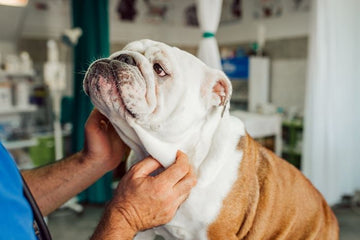
After a walk, take a quick look behind your Bulldog’s front legs. You shouldn’t see redness, irritation, or hair thinning.
And we all know Bulldogs hate irritated skin. Once something starts bothering them, they’ll annoyingly lick at it for days — which only makes it worse.
Bulldogs have broad fronts, so many standard harnesses sit too narrow and bite into the armpits. A proper fit stays comfortable and doesn’t create friction where your Bulldog moves the most.
3) Your Bulldog Moves Naturally (No “Two Steps and Sit”)

We’ve all been there. You put the harness on… they take two steps… then they sit. And no matter how much you encourage them, they look at you like you’re the unreasonable one.
Sometimes that’s classic Bulldog personality. But sometimes it’s discomfort. Bulldogs generate power from their shoulders and chest — if the harness restricts that front movement even slightly, you’ll see shorter stride, hesitation, slowing down, or refusal to walk.
A properly fitted harness allows natural movement — your Bulldog walks like themselves, not like they’re wearing something annoying.
4) It Stays Secure When They Back Up
Bulldogs are surprisingly skilled at the backward escape maneuver.
And while it may be entertaining to watch a Bulldog move backward like a stealth Houdini, they are usually on a mission — and that mission is to outsmart you and get free-run of the neighborhood.
Because of the Bulldog’s neck-to-chest ratio, a harness must hold position when they step backward. If it loosens, shifts over the shoulders, or looks like it could slip off, the fit (or design) isn’t right for Bulldogs.
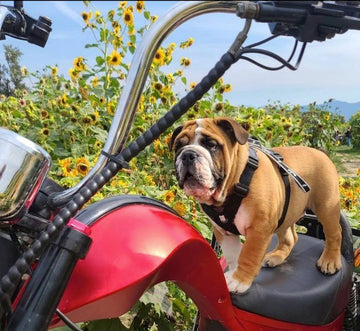
A proper harness stays stable — forward, backward, and everything in between.
5) The Fit Is Secure — Not Restrictive
“Snug” can sound negative, so here’s the better standard: secure, but not restrictive.
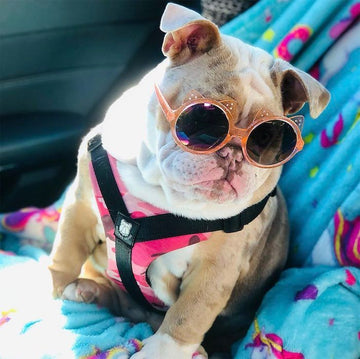
You should be able to slide two fingers comfortably under the straps. Too loose and the harness twists or shifts. Too tight and your Bulldog may breathe heavier, overheat faster, or resist putting it on.
One of the easiest tells: if your Bulldog walks normally and doesn’t paw at the harness or freeze in place, that’s usually a strong sign the fit is right.
Want the full Bulldog harness checklist (plus visuals)?
We put everything in one place — how a Bulldog harness should sit, what to avoid, sizing tips, and the most common fit mistakes that cause coughing, rubbing, and “walk protest.”
Bottom line: if your Bulldog is comfortable, moving naturally, and not hacking, rubbing, or backing out — you’re on the right track. And if anything feels “off,” a small harness adjustment (or switching to a Bulldog-specific design) can make walks dramatically better.
Bulldog Harness Fit FAQ
How tight should a Bulldog harness be?
Snug but not restrictive. You should be able to slide two fingers under the straps. The harness should sit securely on the chest without pressing on the throat or limiting shoulder movement.
Can a poorly fitting harness cause coughing?
Yes. If the pressure sits on the throat instead of the chest, Bulldogs may cough, hack, or snort during walks. Proper chest-based support helps prevent this.
Why does my Bulldog sit down during walks?
Sometimes it’s attitude — but often it’s discomfort. Restricted shoulder movement or rubbing behind the front legs can cause that “two steps and sit” protest.
-----
We hope you picked up something useful about caring for your Bulldog today! For more Bulldog care guides, visit The Bulldog Blog, presented by Bulldog Grade.