
The Six Most Common Bulldog Allergies and Some Possible Remedies
We love our Bulldogs for so many reasons—their wrinkles, stocky builds, and hilarious personalities. But it’s never fun to watch them deal with allergies that can cause itchy skin, red paws, ear irritation, hot spots, digestive issues, or constant discomfort.
Bulldog allergies can show up in a lot of ways, and because Bulldogs already have sensitive skin and deep folds, symptoms can get worse quickly if they’re ignored.
In this guide, we’ll cover the six most common Bulldog allergies, what signs to watch for, and some practical ways to help keep your Bully comfortable.
1. Food Allergies
Just like humans, Bulldogs can react poorly to certain ingredients. Common triggers may include chicken, beef, dairy, eggs, corn, soy, wheat, or artificial additives.
Food allergies or sensitivities may show up as vomiting, diarrhea, excessive gas, chronic ear issues, itchy skin, red paws, or constant licking.
The most reliable way to identify a food allergy is an elimination diet. This usually means feeding a limited-ingredient or novel-protein diet for 8–12 weeks under veterinary guidance, then reintroducing ingredients one at a time to identify the trigger.
Once the problem ingredient is identified, removing it completely can make a big difference. Work with your veterinarian or a veterinary nutritionist to make sure your Bulldog still gets a balanced diet.
2. Environmental Allergies
Dust mites, mold, grasses, pollen, and seasonal irritants are common environmental allergy triggers for Bulldogs.
Symptoms may include sneezing, watery eyes, runny nose, itchy paws, face rubbing, red skin, inflamed wrinkles, or recurring ear irritation.
You can help reduce exposure by using HEPA air filtration, vacuuming often, washing bedding regularly, and wiping paws after walks. During heavy pollen seasons, try limiting outdoor time during peak pollen hours.
Routine baths with a vet-approved hypoallergenic shampoo may also help remove allergens from the coat and support the skin barrier.
3. Flea Allergies
Flea allergy dermatitis can cause intense itching, hot spots, hair loss, and irritated skin—even from just a few bites.
Bulldogs with flea allergies may scratch, chew, lick, or develop redness around the tail base, belly, or legs.
Prevention is key. Talk to your veterinarian about safe, effective flea prevention for your Bulldog and keep your home environment clean by vacuuming regularly and washing bedding or blankets on hot when needed.
4. Atopic Dermatitis
Atopic dermatitis is a chronic allergic skin condition caused by an overactive immune response to environmental allergens like dust mites, mold, grasses, and pollen.
Bulldogs with atopic dermatitis may deal with chronic itching, red skin, hair thinning, hot spots, ear infections, or repeated flare-ups.
Helpful home-care options you can discuss with your vet include:
- Oatmeal baths: Colloidal oatmeal can help calm itchy, inflamed skin.
- Aloe vera gel: Pure aloe may help cool irritated areas. Avoid products with alcohol or added fragrance.
- Coconut oil: A thin layer may provide light moisturization for dry patches. We use OCO coconut oil to help support the skin barrier.
- Medicated support: Some Bulldogs need prescription shampoos, wipes, allergy medications, or immunotherapy depending on severity.
With consistent care and environmental management, many Bulldogs experience fewer and milder flares.
5. Contact Allergies
Contact allergies happen when your Bulldog’s skin reacts to something they physically touch. Common triggers include grass, plants, detergents, shampoos, cleaning products, synthetic fabrics, or poorly fitting gear.
Reactions may include redness, hives, itching, patchy hair loss, irritation around the belly, paws, chest, or areas where gear rubs.
Prevention focuses on reducing exposure. Choose hypoallergenic shampoos and cleaners, rinse paws after outdoor play, and wash bedding with gentle, fragrance-free detergent.
If your Bulldog wears gear regularly, make sure it fits properly and doesn’t trap moisture or rub irritated areas. A properly fitted Bulldog harness designed for wide chests and sensitive skin can help reduce friction during walks.
6. Yeast Overgrowth and Secondary Skin Infections
While yeast overgrowth is not technically an allergy, it is one of the most common problems that happens alongside Bulldog allergies. Allergic skin becomes inflamed and vulnerable, which can allow yeast and bacteria to take over.
Bulldogs are especially prone to yeast issues in warm, moist areas like wrinkles, paws, ears, tail pockets, armpits, and groin folds.
Signs may include:
- A sour, musty, or “corn chip” smell
- Brown staining around paws or folds
- Greasy or irritated skin
- Head shaking or ear odor
- Constant licking or chewing
Keeping folds clean and dry, wiping paws after walks, managing allergies, and treating flare-ups early can help reduce recurring yeast problems.
If the smell keeps coming back, or if the skin is raw, painful, oozing, or swollen, contact your veterinarian. Yeast and bacterial infections often require medicated treatment.
Bulldog allergies can be frustrating for both dogs and their people, but the right plan can provide real relief. Pay attention to recurring symptoms, work closely with your veterinarian, and adjust your Bulldog’s routine as needed.
With a proactive approach, many Bulldogs can enjoy a much more comfortable, happy life—even if allergy season tries to make things interesting.
We hope you picked up some helpful tips today. For more Bulldog care guides and health insights, explore The Bulldog Blog by Bulldog Grade.









yuor pitures are nice
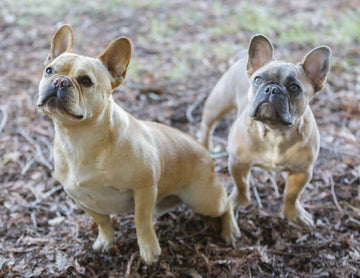
I found 2 puppies abandoned a week ago while on holiday. I’ve found out that they’re American bulldogs and I have bonded with them. They look like they’re about 6 weeks old so have introduced them to puppy milk and half weettbix until I get home in 2 days.